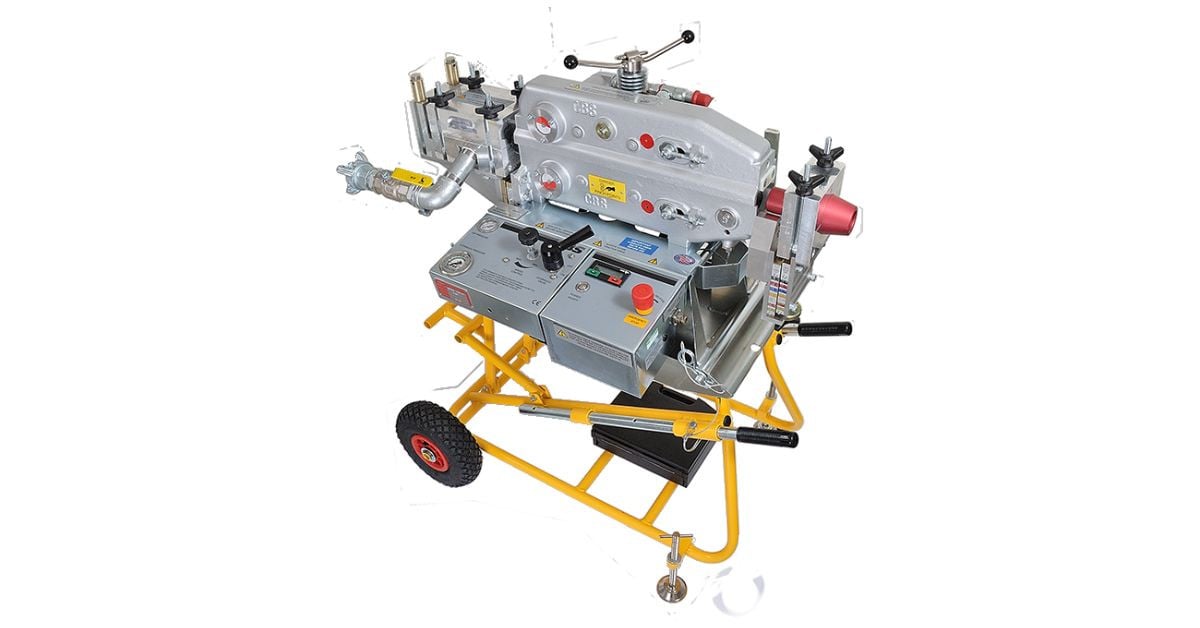
Fiber deployment continues to accelerate across the United States as communities demand reliable broadband access. Contractors and internet service providers must install fiber quickly while protecting cable integrity and maintaining network performance. A fiber optic blowing machine allows crews to install long runs of cable through conduit with speed and precision. When technicians follow proven operating practices, they reduce downtime, prevent cable damage, and keep projects on schedule.
Millennium Broadband Solutions supports contractors and ISPs by supplying equipment, materials, and expertise for broadband infrastructure projects across the country. The company focuses on delivering solutions that help crews complete installations efficiently while expanding high-speed connectivity into underserved regions. Consider these best practices for operating a fiber optic blowing machine to keep the equipment safe and effective long-term.

The Purpose of Fiber Blowing Technology
Fiber blowing technology enables crews to install fiber optic cables through conduit using compressed air and mechanical feed systems. The process reduces physical strain on the cable while allowing installation over long distances. Proper air pressure and controlled feeding guide the cable through conduit without pulling tension that could damage delicate fibers. When technicians manage the system correctly, they achieve faster installations and lower risk of micro-bends or cable stress.
Furthermore, this method proves especially valuable in modern broadband builds that require long underground conduit routes. Contractors can place cables through existing pathways without extensive excavation or additional infrastructure. Technicians must understand the equipment’s components, including air compressors, seals, drive belts, and feed rollers, before operating the system. Familiarity with the machine improves efficiency and reduces operational errors.
Prepare the Job Site Before Operating the Machine
Successful fiber blowing begins long before the machine powers on. Crews must inspect the job site, confirm conduit readiness, and verify that conditions support smooth cable installation. Debris, moisture, or obstructions inside the conduit can stop a fiber run or damage the cable. A thorough inspection prevents costly delays and protects the cable during installation.
Technicians should also verify that the conduit path matches project specifications. Long runs may require intermediate access points or additional lubrication to maintain airflow efficiency. Proper staging of equipment helps crews maintain consistent workflow during installation. Careful preparation reduces unexpected problems and keeps installation moving efficiently.

Inspect Equipment Before Every Installation
Routine equipment inspection protects the cable and the installation team. Fiber blowing machines rely on several precision components that must operate correctly to maintain stable cable movement. Worn rollers, damaged seals, or incorrect alignment can create friction and slow cable advancement. These issues can also cause cable deformation or installation failure.
Technicians should inspect the machine’s rollers, belts, seals, and air fittings before beginning each job. The air compressor should deliver consistent pressure within the recommended operating range. Electrical systems, gauges, and emergency shutoffs must also function correctly. This inspection routine ensures the machine performs safely and reliably during the entire cable installation process.
Maintain Proper Air Pressure and Feed Speed
Air pressure and feed speed determine how effectively a fiber optic blowing machine installs cable. Excess pressure can stress the cable jacket, while insufficient pressure reduces installation distance. Balanced airflow allows the cable to glide through the conduit without excessive resistance. Technicians must monitor pressure gauges carefully throughout the installation process.
Feed speed also plays a critical role in cable protection. Slow, controlled feeding prevents cable bunching and reduces the chance of twisting inside the conduit. Operators should adjust feed speed according to conduit conditions, cable size, and run length. Maintaining steady machine settings ensures smooth installation from start to finish.
Monitor Cable Movement During Installation
Operators must observe cable behavior continuously while the machine runs. Sudden resistance or irregular movement can signal conduit obstruction or improper machine settings. Early detection prevents damage to the cable or installation equipment. Technicians should maintain constant communication with team members positioned along the conduit route.
Visual monitoring and gauge readings help operators detect potential issues quickly. Changes in feed tension, airflow pressure, or cable speed require immediate attention. Crews should stop the machine if unusual resistance occurs. Prompt adjustments maintain installation quality and protect network infrastructure.
Follow Essential Safety Practices
Fiber blowing machines operate with compressed air, mechanical rollers, and electrical systems. These components require strict safety procedures during operation. Technicians must wear appropriate protective equipment while operating or maintaining the machine. Eye protection, gloves, and hearing protection improve workplace safety.
The following safety practices help crews operate blowing machines responsibly:
- Verify proper grounding and electrical connections.
- Keep hands clear of feed rollers during operation.
- Maintain clear communication between crew members.
- Monitor compressed air systems for pressure stability.
- Shut down equipment immediately if abnormal noise or vibration occurs.
Safety awareness ensures efficient operations while protecting technicians and installation equipment.

Choose the Right Equipment for the Project
Different fiber installation projects require different equipment capabilities. Conduit diameter, cable size, and route length influence machine selection. Contractors should evaluate project requirements carefully before choosing a fiber blowing system. The correct machine improves installation efficiency and reduces operational strain on the cable.
Some projects benefit from portable systems designed for compact job sites. Others require high-capacity machines capable of long-distance cable placement. Access to reliable equipment allows crews to adapt quickly to changing project conditions. Many contractors rely on flexible equipment access options, such as fiber blower rentals, when large installations require specialized machines.
Maintain Equipment After Every Project
Post-installation maintenance keeps blowing machines in peak working condition. Technicians should clean the machine thoroughly after each use to remove dust, debris, or lubricant residue. Regular cleaning prevents buildup that could affect roller performance or airflow efficiency. Maintenance also helps crews identify worn components before they fail.
Operators should also inspect seals, belts, and moving parts after each project. Replacing worn components early prevents downtime during future installations. Proper storage protects equipment from moisture, corrosion, and environmental damage. Consistent maintenance extends machine lifespan and ensures reliable performance on every project.
Support Reliable Fiber Network Installations
Fiber optic blowing machines have transformed how technicians deploy broadband infrastructure. When crews follow proven best practices, they complete installations faster while protecting delicate fiber cables. Proper preparation, equipment inspection, and operator training prevent costly installation failures. These practices allow contractors to deliver high-quality broadband networks that support growing connectivity demands.
Millennium Broadband Solutions helps contractors access equipment, materials, and expertise required for successful fiber deployments. Our nationwide support helps ISPs and construction teams expand broadband infrastructure efficiently while maintaining high technical standards. Get in touch today to learn more about our rental offerings and equipment support.